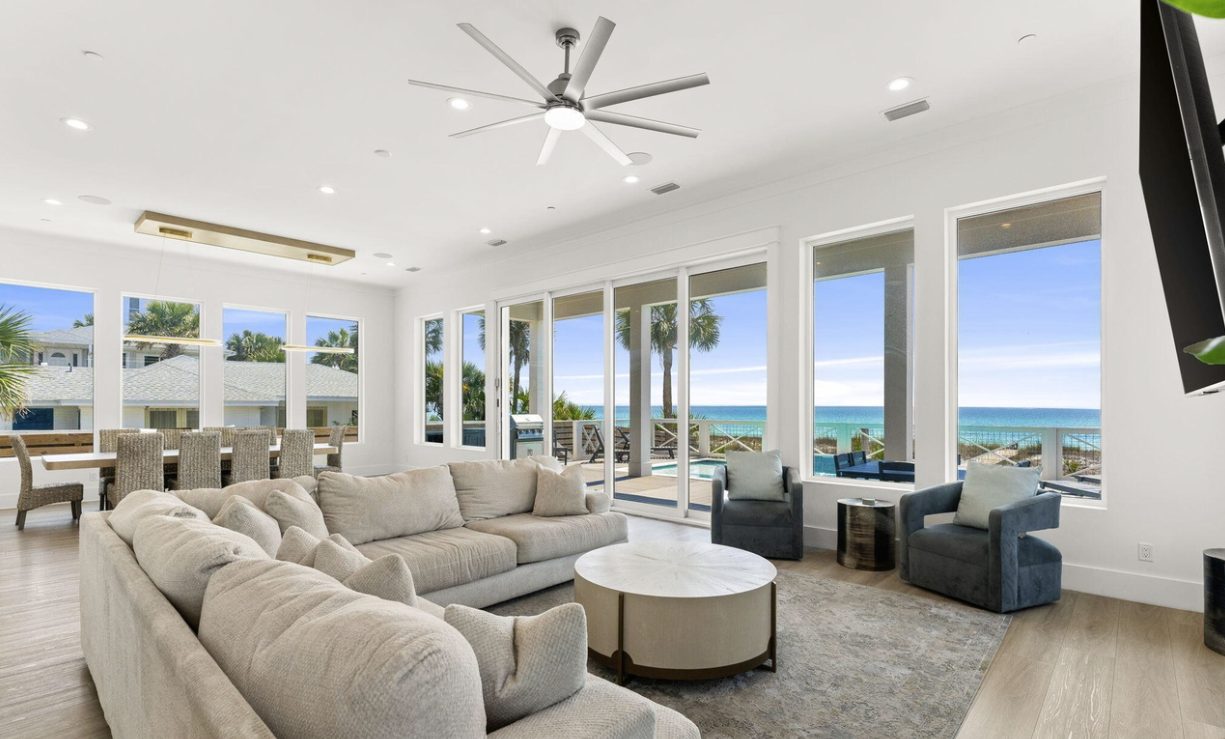
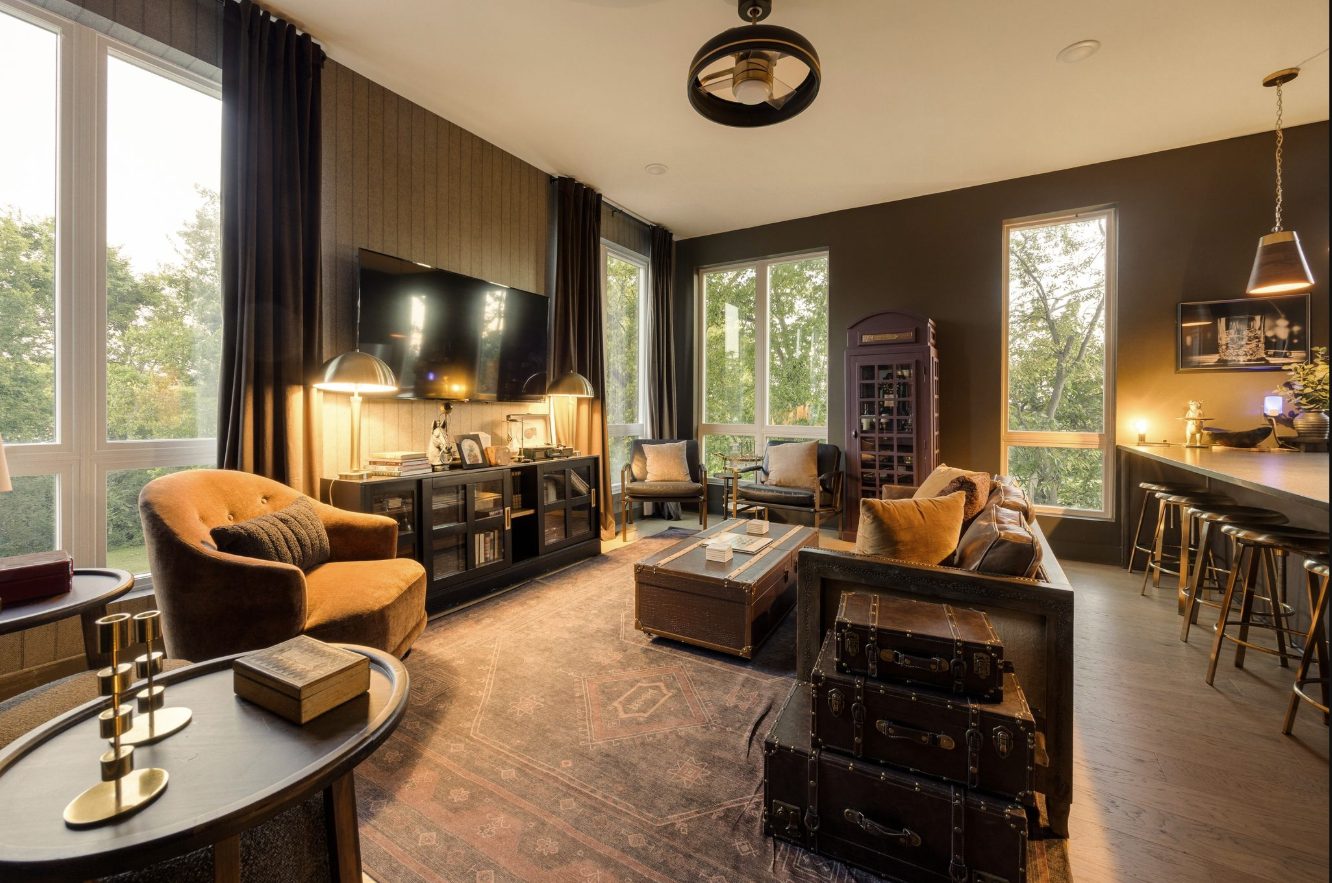
 Representative photo
Nashville, Tennessee
RecommendedTownhouse near downtown
4 bedrooms · 4 baths · 2,201 sq ft · built 2023
- Price
- $899,900
- Bookings, 2025
- $156,000
- First-year depreciation
- $241,800
- Tax savings at 37%
- $89,500
Short-term rental investment and management
We find, buy, furnish and manage short-term rental homes for high-income clients. Set up with your CPA, the depreciation from the purchase can offset income in the year the home opens. The home is yours. Run it yourself for the year one write off, or have us run it.

100%
bonus depreciation
Permanent for homes bought after January 19, 2025
$20M+
in rental revenue
20+
team members
4.9
average guest rating
82%
average occupancy
Week 1
We review your tax picture, then search anywhere in the U.S. where the numbers work, with the lenders, agents and cost segregation firms we work with.
Weeks 2 to 3
Each candidate is tested on real booking data. We recommend the few that hold up and give your agent a target price.
Weeks 4 to 6
Closing, design, furnishing and photography, timed so the home opens when your tax plan needs it to.
About 10 days later
Listed, priced and bookable, with your hours log already running.
Ongoing
Guests, cleaning, pricing and upkeep, with a monthly statement and the year-end records your CPA will ask for.
Typical timing, not a promise. First call to first guest usually takes six to eight weeks.
Management
Between our two principals, we have generated over $20 million in rental revenue, supported by a team of more than 20 people. We look for homes anywhere in the country, wherever the numbers hold up. The team that underwrites your home is the team that manages it, so the revenue estimate you buy on is one we're accountable for.
There are two ways to work with us. Owner-led: you run the home day to day in the first year, with our setup, systems and support behind you, because your own involvement is what can make the deduction work. Talk to your CPA about material participation. Fully managed: our team runs everything at 20% of net rent, for owners who care more about a well run home than the first-year write off.
We set that plan with your CPA before you close.
$20M+
in rental revenue
20+
team members
8 years
operating short-term rentals
4.9
average guest rating
82%
average occupancy
Combined track record of our principals. Guest rating and occupancy are for homes under our management today.
The owner-led track
The hour test compares you to everyone who works on it, cleaners and our team included. So you run it, and we make it fast.
About 200 to 250 hours a year. No time? Our fully managed track runs the home for you at 20% of net rent (after cleaning, platform and card fees). A manager's hours usually pass yours, so plan a managed home for cash flow and equity rather than the year one write off. Talk to your CPA about material participation.
A few of the homes we furnished and manage now. Your home gets the same design standard and the same team.
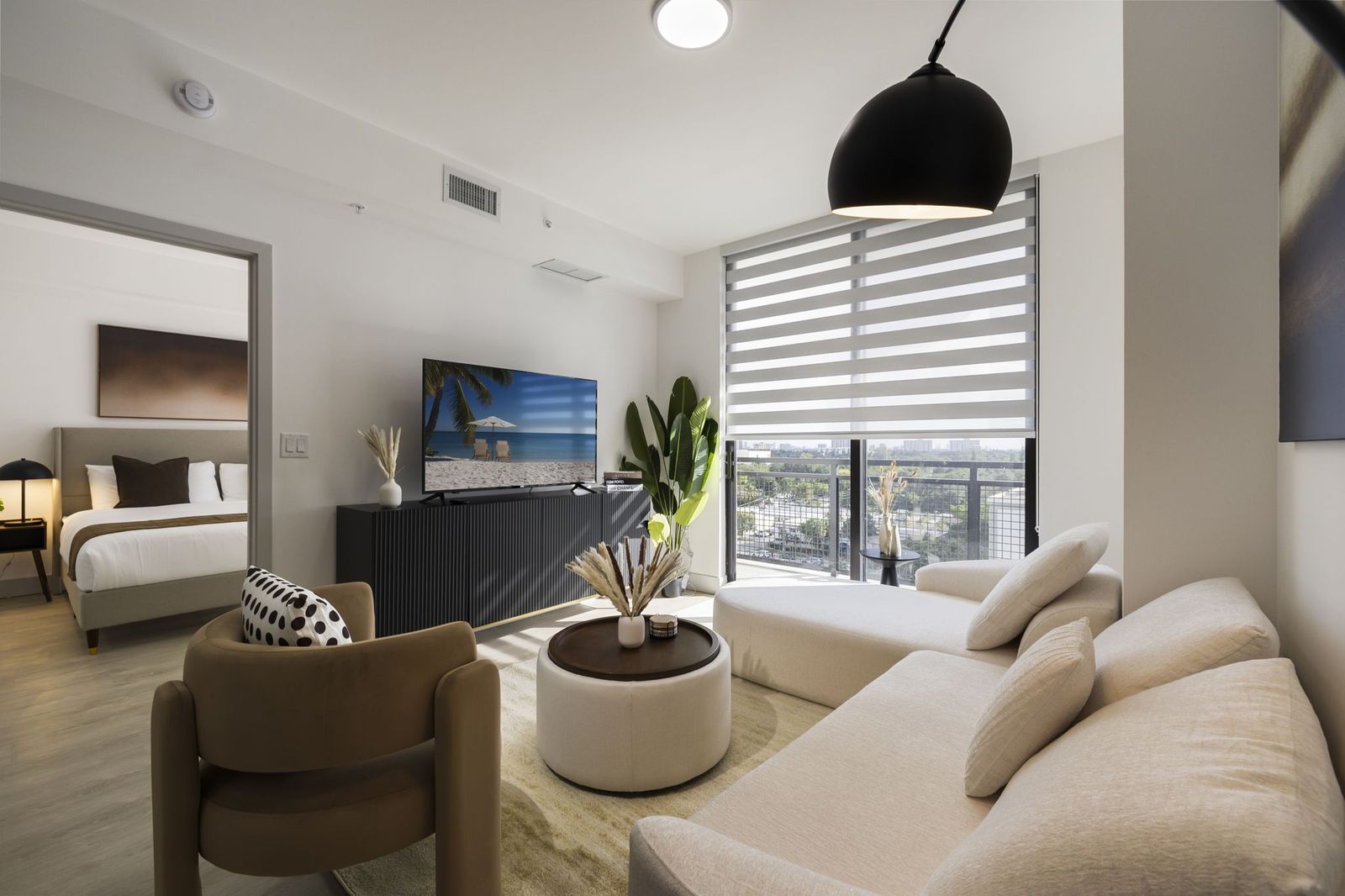
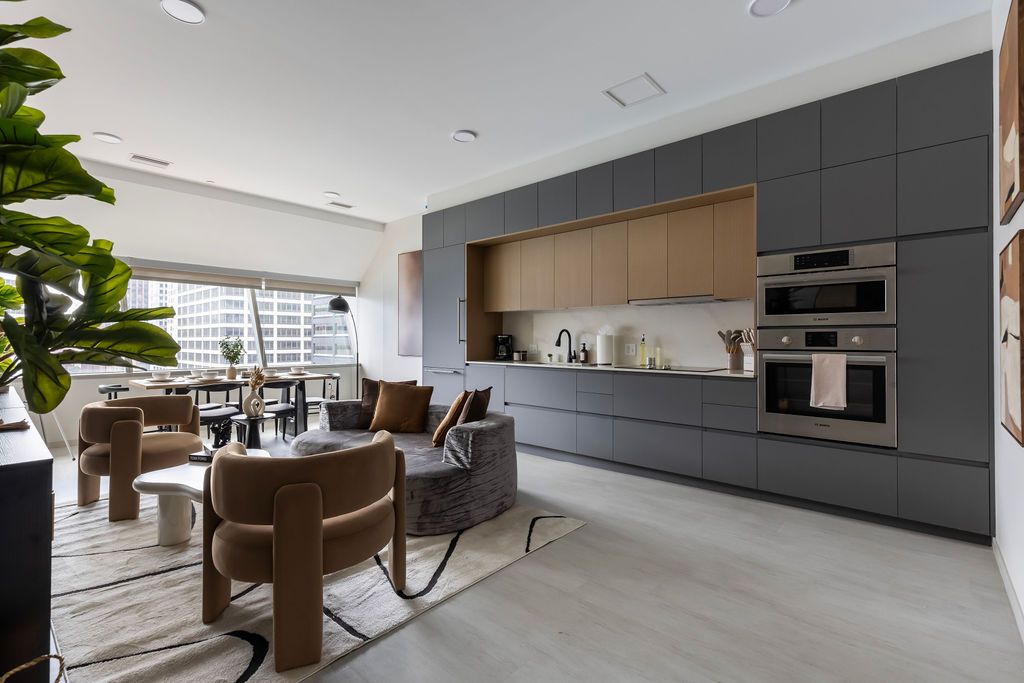
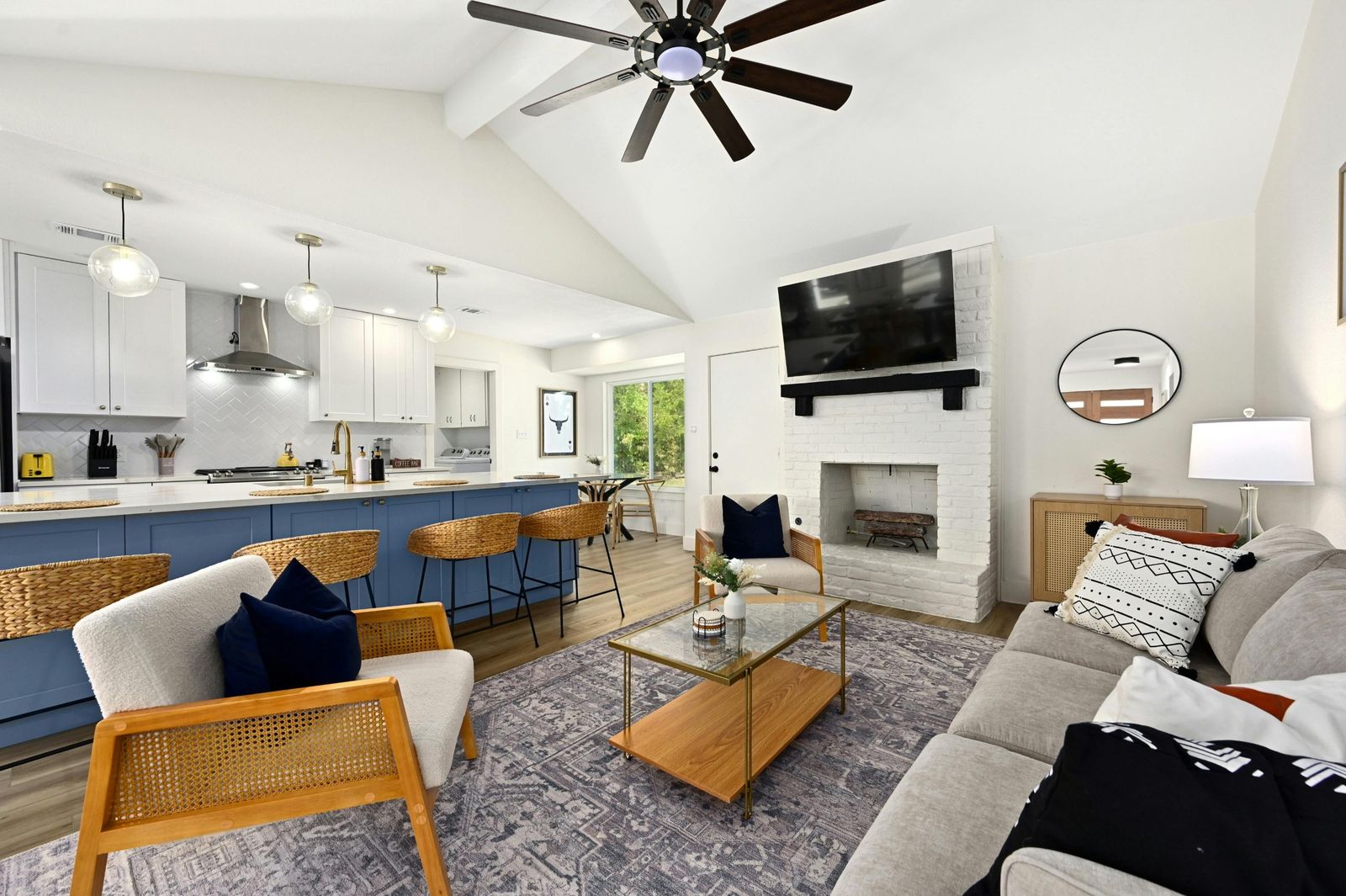
We reviewed more than 200 properties this month alone. These three stood out, and below them is one we turned down.
And what a no looks like
4 bedrooms on 2.4 acres with a guest house, listed at $1,195,000
Bookings needed to break even
$144,043
What similar homes earn
$69,800
A beautiful home, and the tax savings would have been real. It still would have lost money every month. We passed.
Each recommended home is projected to cash flow after the mortgage, operating costs and full management. Depreciation assumes 20% of the price is land, a cost segregation study placing 33% of the building in shorter-life assets, 100% bonus depreciation and a December opening. Tax savings are depreciation times the bracket, federal only. Photos are representative. Listings change; addresses are shared on a call.
When guests stay seven nights or fewer on average and the owner is materially involved, the rental counts as an active business. A cost segregation study then lets a large share of the purchase be depreciated in the first year.
$197,000
Land
Land never depreciates.
$260,040
Shorter-life assets
Fixtures, finishes and site work. With 100% bonus depreciation, these can be written off in the first year.
$527,960
The rest of the building
Depreciated over 27.5 or 39 years, as your CPA decides.
Short stays
An average guest stay of seven nights or fewer, so the home isn't treated as a passive rental.
Your involvement
Enough documented time on the property for the loss to offset your salary or business income. We help you keep the log.
Open by December 31
The home has to be ready for guests in the tax year. 100% bonus depreciation is now permanent for homes bought after January 19, 2025.
Move the price and bracket to see a rough figure. We'll run the real numbers on a specific home with you.
Buying with partners? Enter the combined price, then apply your ownership share to the result.
Estimated first-year depreciation
$264,000
Estimated federal tax savings at 37%
$97,700
Cash in, before our fee
$283,000
Savings as a share of cash in
35%
Assumes 20% land, 33% of the building in shorter-life assets and 100% bonus depreciation. Cash in covers 20% down, 3% closing costs, the cost segregation study, and furnishing ($12,000 per bedroom plus $5,000). Our fee is not included. Federal only; some states, including California, don't follow bonus depreciation. Whether you can use the loss depends on your situation. Not tax advice.
One property, two wins: a lower tax bill now and a cash flowing Airbnb after.
Step 01
Average guest stay of 7 days or less.
Step 02
The write-off starts when it’s furnished, listed and bookable, not at closing.
Step 03
100+ hours a year, and more than anyone else, cleaners included.
Step 04
An engineer splits furniture, appliances and finishes from the building.
Step 05
Writes those parts off in year one instead of over decades.
Step 06
Offsets W-2 income and gains up to the yearly cap. The rest carries forward.
Step 07
Some comes back when you sell. Plan for it.
Typical times, not promises
Aurelian calculator
Put in your income and a home price. The quick slider above uses the same assumptions; this one adds who runs it and your down payment.
Examples, not promises
Single filer, federal only, same math as the calculator.
Surgeon, $900K income
37% bracket.
Run your numbersFounder, $2M income
37% bracket. Yearly cap applies: $256,000 used now, $104,000 carries forward.
Run your numbersTech lead, $500K income
35% bracket.
Run your numbersAirline pilot, $475K income
35% bracket.
Run your numbersWho it’s for: Physicians, Pilots, Founders, Tech, Sales
You own it and run it. We set it up to cash flow, not just to write off.
Which markets work for short stays, and whether a specific property makes sense.
We find the property and walk you through the numbers before you commit.
We coordinate design and furnishing through our design partner, billed separately, so it looks right online and works in person.
We coordinate the design through our design partner, billed separately.
Ordered, delivered and placed through our design partner, billed separately. We keep it on schedule.
Assembled and checked for the first guest.
Professional photos of the finished home, ready for the listing.
Licensed agent and lender partners, plus STR and cost seg tax CPAs.
Three ways to put the same money to work.
Every engagement is different, so we go over our fee with you on the first call. It never depends on how the home performs, and you'll see it in your numbers before you decide, next to every outside cost.
Acquisition and setup
Depends on the home and what you need from us. We go over it with you on the first call.
Net rent is bookings minus cleaning, platform and card fees.
We work mainly with physicians, founders, executives and business owners. It tends to fit when:
Derek and Tiff lead every home. Their team finds it, coordinates the design and launches it, then backs you up while you run it.

Co-founder, Aurelian
Serial entrepreneur in short-term rentals, with full-stack STR tools and services that help owners launch and run Airbnbs. Finds and launches every home with his team.

Co-founder, Aurelian
Serial entrepreneur behind Aurelian and Stay Regis. Spent 14 years in financial services at EY. Finance exec turned real estate investor and Airbnb operator, helping clients build wealth through real estate.
The same playbook every time: setup, photos, listing, pricing, cleaners.
Only if the home closes and is ready for guests before December 31. We'll tell you on the first call whether that's realistic. If it isn't, the home opens next year and the deduction moves with it.
In the first year, usually a few hours a week, logged as you go, because your involvement is part of what makes the deduction work. Your CPA sets the standard and we plan around it. We handle the rest.
You do, in your name or your own company. We don't take a stake in it.
Then we keep looking, or we tell you to wait. A tax saving doesn't make up for a home that loses money every month.
Yes, and it's a good way into a larger home. How the depreciation is shared depends on how you set up ownership, so bring your CPA into that conversation early.
Your CPA confirms you qualify, signs off on the depreciation and agrees the participation plan. We send them our projections ahead of time and can join a call.
A short term rental you actively run can be treated as a business instead of a regular rental. A cost seg study splits out the short life parts of the property, and bonus depreciation writes those parts off in the first year. That loss can offset your other income, like W-2 or business income. Your CPA confirms the numbers and files.
It is how the tax code and the IRS rules are written. The IRS publishes the 7 day average stay rule and the hour tests itself. It only works if you actually meet them, which is why you keep records from day one and your CPA reviews everything.
An engineering report that breaks the purchase into parts: furniture, appliances, finishes, outdoor improvements and the building itself. Short life parts can be written off much faster than the building. On many properties 20 to 30% gets reclassified. It is ordered after closing and can be finished after the year ends, before you file.
It lets you deduct the full cost of qualifying short life parts in the year the property goes into service. Under the 2025 tax law, 100% bonus depreciation is permanent for property acquired after January 19, 2025. Land is never depreciable, and the building itself is still written off over decades. Your CPA confirms which parts qualify.
A regular rental is usually treated as an investment, so its losses cannot offset your salary. When the average guest stay is 7 days or less, the IRS does not treat it as a rental activity. If you also materially participate, the loss can offset your other income. You do not need real estate professional status for this.
Total rented days divided by the number of stays, for that tax year, from actual stays. It is not based on your listing settings. In a thin first year, one long booking can push the average over 7, so we watch the calendar with you.
You have to be involved in running it, regularly. Most owners use the 100 hour test: more than 100 hours in the year, and at least as much as any other person, with each cleaner counted one by one. Other tests are more than 500 hours, or you doing substantially all of the work. The tests are not prorated for a short first year. Your CPA picks the test you meet.
Yes. The IRS counts your spouse’s work with yours for material participation, even if your spouse is not on title. Log both of you, with the date, the task and the time.
Real operating work: guest messages, pricing, scheduling cleaners and checking turnovers, restocks, reviews, repairs and walkthroughs. Investor style work, like only reading statements, may not count. Our owner plan is about 4 to 5 hours a week, about 200 to 250 hours a year.
No. That status takes more than 750 hours a year and more than half of your working time in real estate, which most people with a full time job or business cannot meet. The short term rental route does not need it.
Yes, up to a yearly limit. The loss offsets profit from a business you actively run in full, plus up to the yearly cap of W-2 and investment income. For 2026 the cap is $256,000 single and $512,000 married filing jointly. How the cap works
It is not lost. It carries forward as a net operating loss that does not expire, and in later years it can offset up to 80% of your taxable income. The cap goes up with inflation each year, so size the purchase with it in mind. Some buyers spread purchases over two tax years.
It depends on the property, your income, your filing status, your state and your hours. A deduction saves roughly your top tax rate times the deduction. The calculator above gives an estimate, and your CPA confirms the real number. Nothing here is a promise of any savings.
It depends on the state. Some follow federal bonus depreciation, some add it back and spread it over several years, and some have no income tax. The federal savings do not change either way. The calculator shows federal savings only, and your CPA confirms your state before you buy. State by state rules
Some of the depreciation comes back as recapture. Short life parts are usually taxed at ordinary rates, and the building part at up to 25%. A 1031 exchange into another property can defer it. Plan the exit with your CPA from day one.
Keep it to a minimum. Personal use of more than 14 days, or more than 10% of the days it is rented, whichever is greater, breaks the strategy. Plan family trips somewhere else.
The 7 day average and the hour test are checked every year. Year one is usually the big write-off, and later years have smaller regular depreciation. A later year that misses a test does not undo year one, but that year’s loss is held back. Your CPA tracks it with you.
One that guests book for short stays and that cash flows on its own. We pick for both, not just the write-off. Local rules, HOA rules and any permit or license are the buyer’s own due diligence.
Our design partner, and we coordinate it. Design and furnishing are billed separately, not part of our fee. Our team sets up the home and gets the listing photos taken. The furniture, appliances and finishes are also the short life parts a cost seg study can break out. Your CPA confirms what qualifies. See what we handle
Most buyers finance. The calculator uses 20% down by default (pick 10 to 20%), about 3% closing costs, about 4% for setup. It excludes our fee. Our lender partners confirm your real terms. The write-off is based on the depreciable cost of the property, including the part you finance, not only your cash.
Ready and available for guests: furnished, listed and bookable. Closing alone does not count. Keep proof of the go live date, like the listing date, photos and the open calendar.
Many owners do for liability. A single member LLC is usually ignored for income tax, so the strategy works the same way. Your CPA and your attorney confirm the right setup for you.
You do, with our systems. Guest messages with saved replies, pricing you approve, cleaners you schedule. About 4 to 5 hours a week. We set it up, find and train the cleaners, and you call us when something breaks.
Yes. Full management runs through Aurelian at 20% of net rent, meaning after cleaning, platform and card fees. A manager’s hours usually pass yours, so you will likely not meet the hour test. Plan that property for cash flow and equity, not the year one write-off. Your CPA confirms. See management
Yes. The test compares you to every person one by one, and that includes each cleaner and our team. So we split the work across two or more cleaners, and you note their hours too.
No. Most of your tasks are done from your phone. The monthly walkthrough is the one in person task, so choose a property you can reach.
We set it up to cash flow as an Airbnb, not just to write off. The calculator shows rental returns on the same property from market averages. Real results depend on the market, the property and how you run it. Nothing here is a promise of income.
Markets move, so we vet the property and walk you through the numbers before you sign. After go live we help you adjust pricing and the listing. A bad deal is still a bad deal with tax savings, which is why we never pick a property for the write-off alone.
Your records are your answer, and your CPA handles the response. Keep an hours log, the stay records behind the 7 day average, the cost seg report, closing and setup receipts, and proof of the go live date. The IRS accepts any reasonable proof of hours, but a log kept as you go is the strongest.
CPAs do. We are not a CPA firm. We work with STR and cost seg tax CPAs, or you can bring your own. Your CPA confirms your numbers and files your return.
Aurelian handles the property side: market and deal analysis, finding the property, full setup, cleaners and owner led support, plus our network of licensed agents, lenders and CPAs.
It depends on the property and how much help you want. We go over it on the call, before you commit to anything.
It logs your hours by date and task, for you and your spouse, and exports a clean report for your CPA. It is the simplest way to keep the records the hour test needs. Open the tracker
Answer a few questions and book a 30 minute call with Derek and his team. Bring your CPA’s questions, and the person you decide with. See if it fits
A 30 minute call with Derek and Tiffany. Bring a rough idea of last year's federal tax and the cash you'd set aside. We'll walk through a real home with every cost included. If it doesn't work for you, we'll say so.
Prefer email? derek@aurelianstr.com
Calendar not loading? Open it in a new tab. Questions? derek@aurelianstr.com